30th July
And so, to the other reason for coming to Canada (as well as to see Isabel and Ali) – to enjoy the Graham Family lake house in Muskoka. So up early (easy peasy now I am not working) for the circa 2h drive. Isabel, Emily and Sarah had all counselled I would be wowed and the place certainly doesn’t disappoint. Beautiful location, beautiful house. I’m here now until being dropped back at airport on Monday and lots of nice food, chill time and mindful relaxation to look forward to.


Pity the moon is full at present because my app says tonight would be amazing for the Seestar … says it will still be good but it will be compromised by how bright the moon will be. Regardless I am going to give it a run out to see what can be seen – chatGPT recommends the Dumbell Nebula so once the Seestar is powered on later I’ll see if it’s app concurs (it did).
We popped out for lunch Muskoka style – on the Graham’s wake boat – and across the lake to a farmers market to pick up a lovely filled bap each.




The sandwiches were excellent though forgot to take a pickie. Ali and Iz then worked while I had a snooze (am almost living a dogs life).
Afterwards went down to the dock for a swim with Isabel and a blob about on a float.

After the swim we drove out for dinner to a favourite spot of Isabel and Ali’s for beers and dinner – was lovely .. burnt ends (lovely) boneless chicken bites (lovely) and a pizza (lovely) all shared.


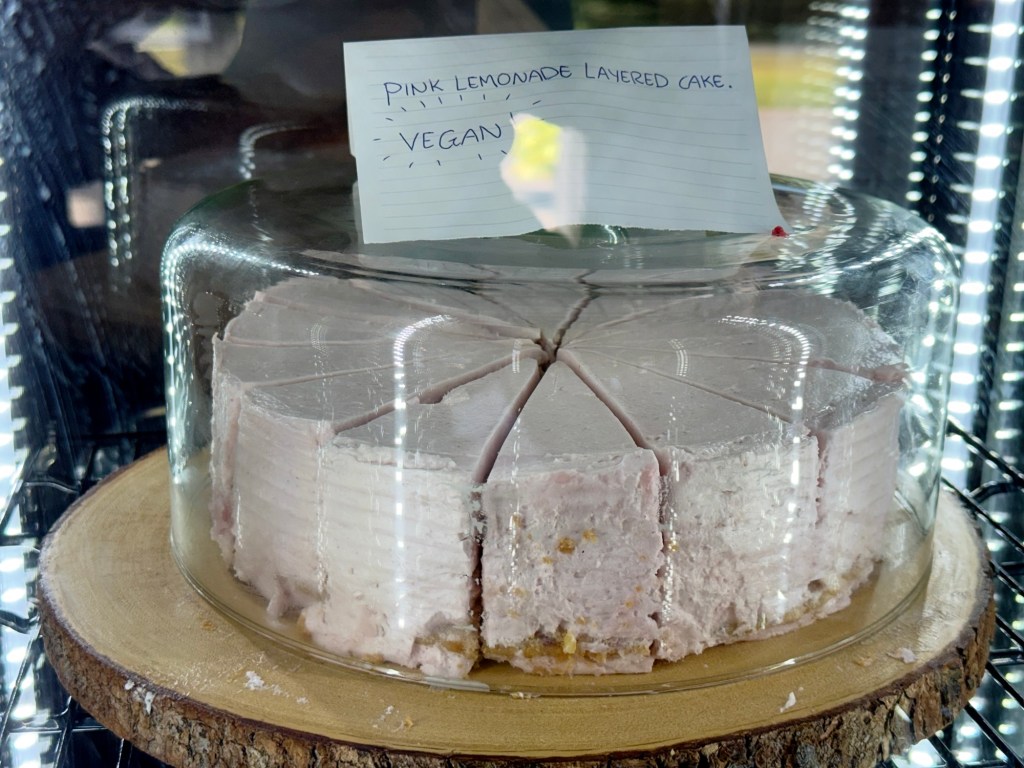


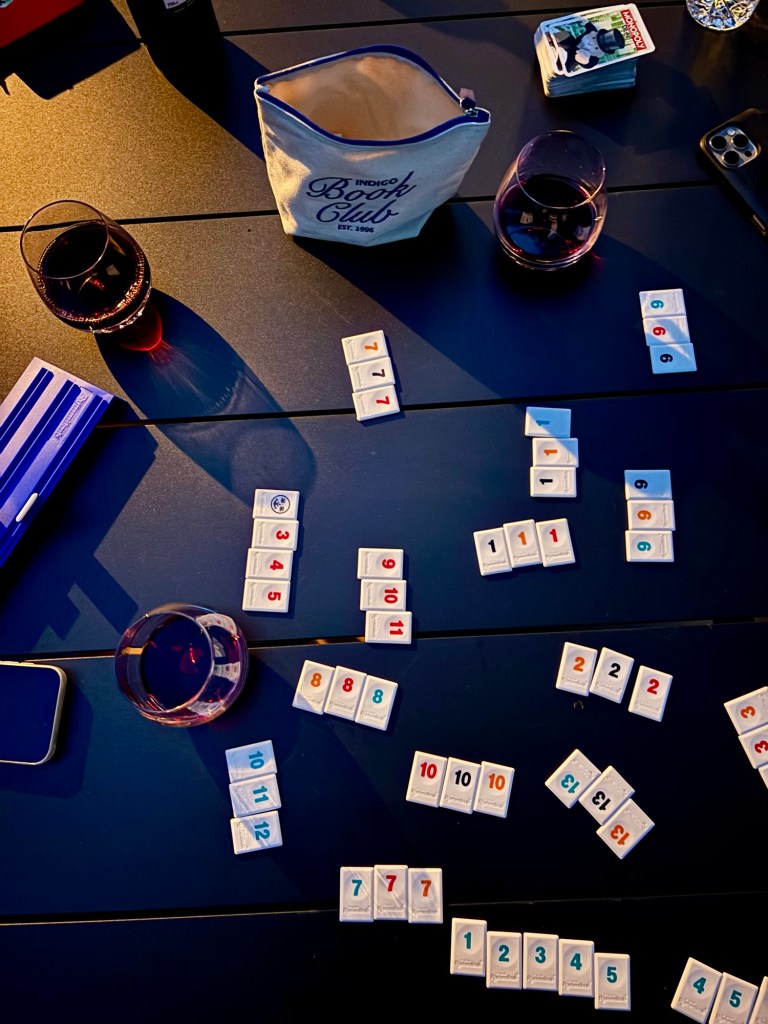
Then supermarket shop for weekend and home to some wine and a few games (2-0 me on Monopoly Deal and 2-0 Ali on Rumikub) Isabel took losing everything well – as you can imagine.


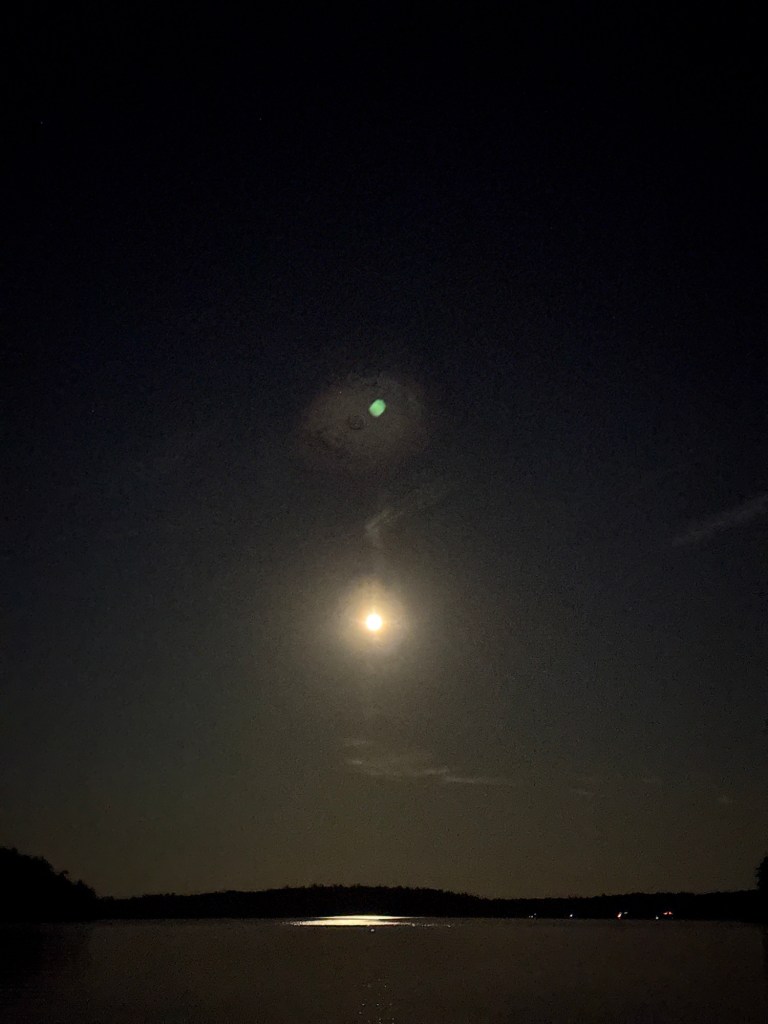
Set telescope up on dock despite the moon being about as bright as I have ever seen it and despite attaching battery pack it only ran on internal power for 151 minutes to deliver this image which is ok but the moon was simply too bright.
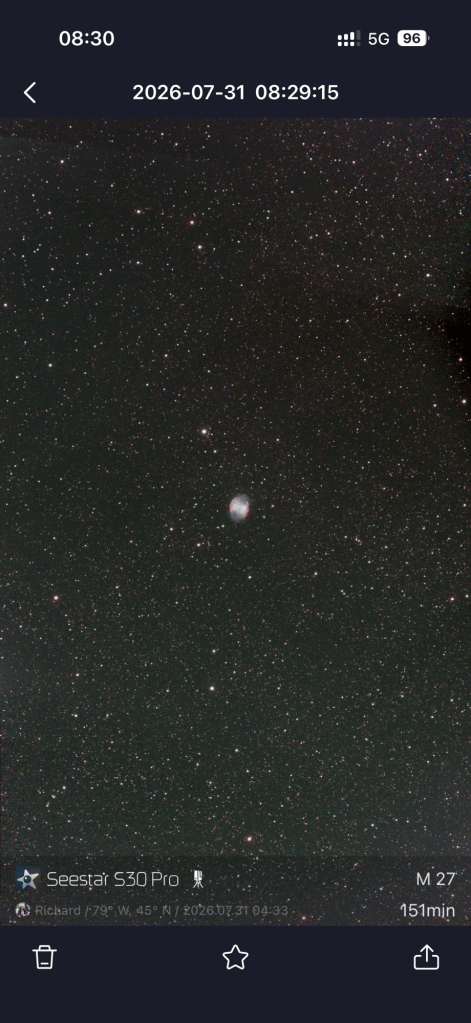
Messier 27 (M27), the Dumbbell Nebula, is one of the brightest and most famous planetary nebulae in the night sky. Located about 1,200 light-years away in the constellation Vulpecula, it is the glowing shell of gas expelled by a dying Sun-like star thousands of years ago. The hot white dwarf left at its centre energises this gas, causing it to shine in vivid reds, greens and blues, while the bright central region gives the nebula its distinctive dumbbell or apple-core shape. Discovered by Charles Messier in 1764, M27 was the first planetary nebula ever identified and offers a remarkable glimpse of what our own Sun may look like some five billion years from now.
Bed at 2330 after a lovely day.


Leave a comment